An Empty Scar Where a Cathedral Once Stood
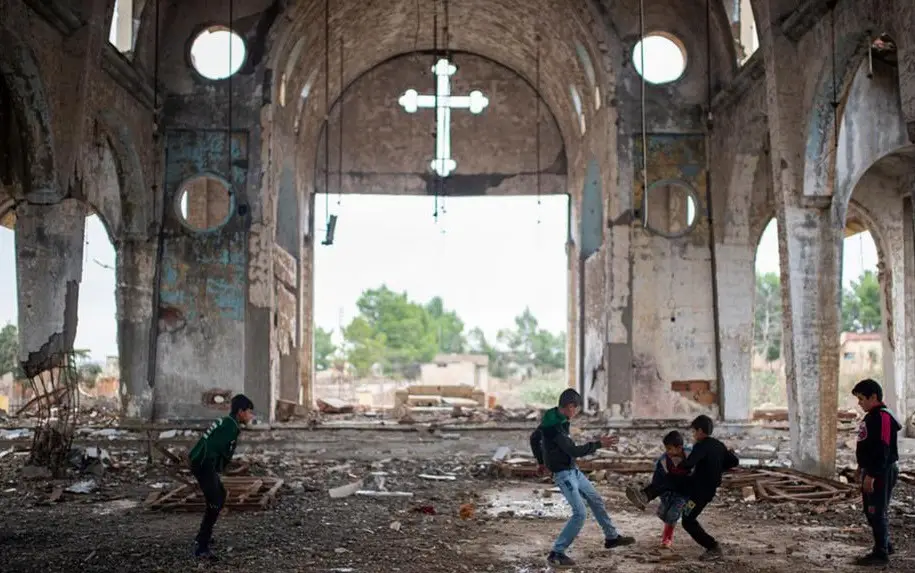
In the center of Stepanakert, the capital city Armenians call the heart of Artsakh, there once stood a white limestone cathedral crowned with a dome and bell tower visible across the city. It bore witness to countless prayers, baptisms, and weddings. Mothers lit candles there for sons at the front. During the bombardment of 2020, families crowded into its basement as shells fell, reciting the Lord’s Prayer while the sanctuary shook above.
Today, satellite imagery shows only an empty scar where the Holy Mother of God Cathedral once stood. The dome is gone. The bell tower is gone. The cross is gone.
Erased on the Eve of Remembrance
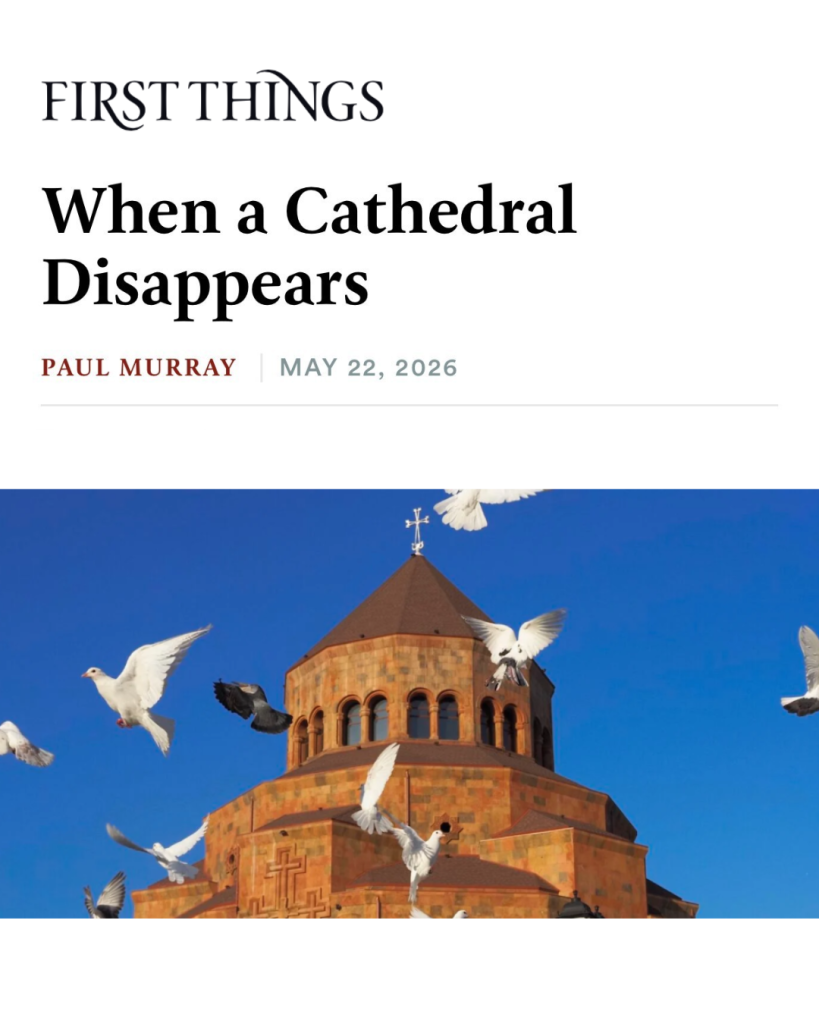
In a powerful new essay published in First Things, the theological significance of this erasure is laid bare: Azerbaijan demolished this cathedral in early April 2026—just days before April 24, when Armenians around the world commemorate the Armenian Genocide.
A cathedral that was built within living memory was erased on the eve of remembering a catastrophe that once sought to erase an entire Christian people.
More Than Architecture Disappears
As the First Things essay emphasizes, churches are not interchangeable structures. They mark where the gospel has taken root in a particular place among a particular people. They testify that Christian worship has endured across generations and across regimes.
When such a church is removed after its congregation has been displaced, something more than architecture disappears. The Holy Mother of God Cathedral bore witness to a faithful community whose Armenian Christian roots in that land stretched back centuries.
Construction began in 2006. It was consecrated in April 2019. And now, just seven years later, it has been systematically erased.
A Pattern of Systematic Destruction
The demolition of the Holy Mother of God Cathedral follows the destruction of St. Hakob Church in Stepanakert just days earlier. Both demolitions follow the displacement of more than 120,000 Armenians from Artsakh after Azerbaijan’s 2023 military operation.
This is not merely a regional detail within another contested borderland. This is cultural genocide—the systematic erasure of Armenian Christian presence from a land where they have worshiped for millennia.
The Theological Meaning of Erasure
For many Western Christians, Artsakh can seem distant and difficult to place on a map. But the destruction of this cathedral is an event with theological meaning.
These churches testified that Christ had been proclaimed, worshiped, and followed in this place by these people across centuries. Their erasure is an attempt to deny that testimony—to rewrite history as if Armenian Christians were never there.
Read the Full Essay
For the complete theological reflection on what it means when a cathedral disappears and why this matters to all Christians, read the full essay in First Things:
When a Cathedral Disappears
The essay powerfully argues that this destruction should matter to Christians everywhere, not as a political issue but as a spiritual one.
What This Cultural Genocide Means
The systematic destruction of Armenian churches in Artsakh represents:
Cultural Erasure: Removing all physical evidence that Armenian Christians lived, worshiped, and built communities in Artsakh for centuries.
Historical Revisionism: Creating a false narrative that denies Armenian Christian presence in the region.
Spiritual Assault: Attacking the places where generations of believers encountered Christ and passed down their faith.
Theological Violation: Denying the testimony that the gospel took root in this particular place among this particular people.
Continuation of Genocide: Completing through cultural destruction what began with physical displacement.
Why Christians Everywhere Should Care
When a church is demolished after its congregation has been forcibly displaced, it is not just Armenians who should mourn. Every Christian should recognize what is being lost:
- Sacred spaces where the Body and Blood of Christ were distributed for generations
- Places of prayer, baptism, marriage, and funeral—marking every stage of Christian life
- Witnesses to Christian endurance through persecution, occupation, and war
- Physical testimonies to the gospel’s power to take root and flourish
These are not just Armenian losses. They are losses for all of Christendom.
- Dr Paul Murray
Call to Action:
The cultural genocide in Artsakh demands a response from Christians worldwide:
1. Witness: Do not let this erasure happen in silence. Share the truth about what is being destroyed.
2. Remember: On April 24 and every day, remember not just the 1915 Armenian Genocide but also the ongoing cultural genocide in Artsakh.
3. Advocate: Demand that international bodies intervene to stop the systematic destruction of Armenian Christian heritage.
4. Document: Support efforts to preserve photographic and historical records of what is being erased.
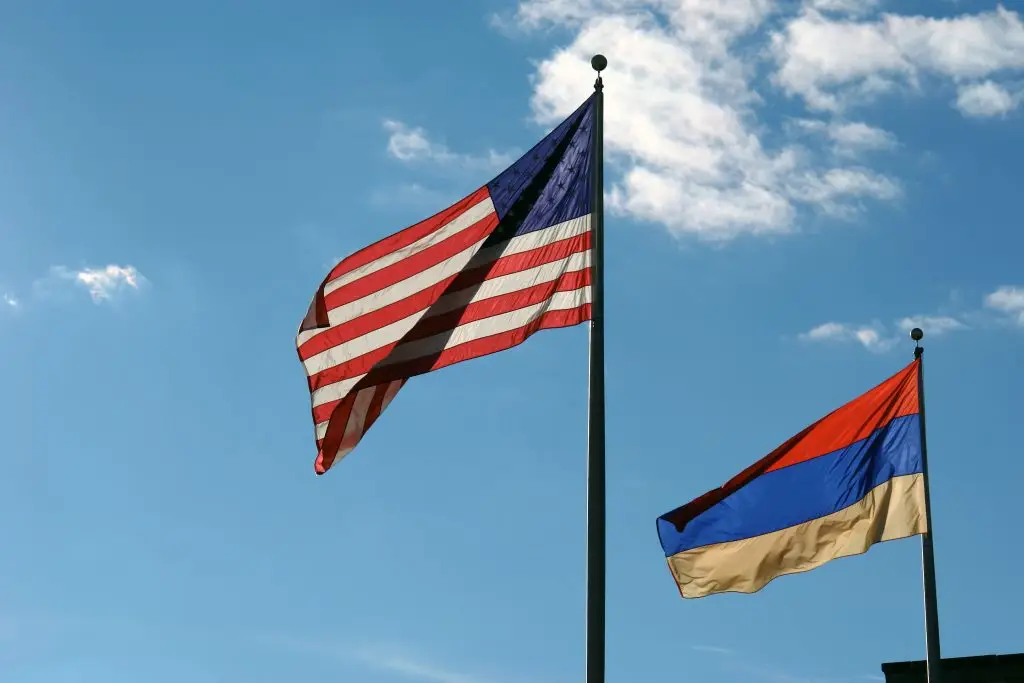
5. Stand with Armenia: Join our coalition and refuse to let the world forget the Armenian Christians of Artsakh.
About Save Armenia
Save Armenia is a nonprofit organization mobilizing faith leaders, policymakers, and global partners to support Armenia’s security, sovereignty, and religious freedom. Through advocacy, leadership engagement, and strategic initiatives such as the Save Armenia Peace Indicator and the Build Armenia implementation platform, the organization works to strengthen Armenia’s long-term resilience and stability while mobilizing American Christian and policy communities to support Armenia amid ongoing regional challenges.
Media Contact
Eleanor Forshaw
Deputy Director
Save Armenia
eforshaw@savearmenia.us