A Call for Moral Clarity in a Defining Moment
There are moments in history when silence becomes a message. There are moments when the absence of moral leadership speaks louder than any declaration. Today is such a moment for the global Church.
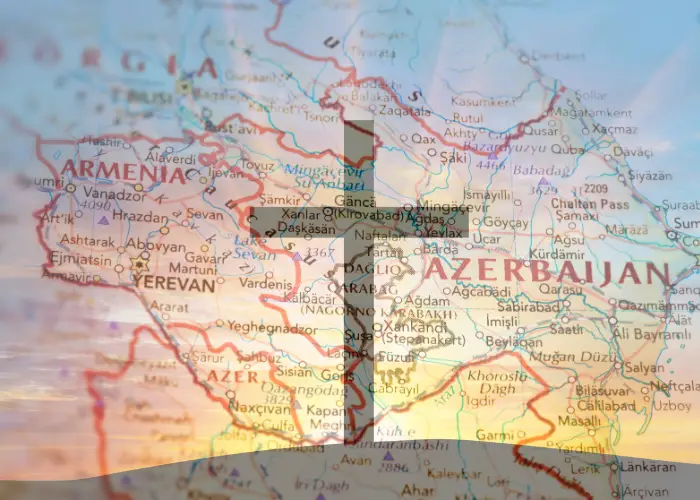
As negotiations continue in the South Caucasus, much of the world has turned its attention elsewhere. Diplomats speak of progress. Officials describe stability. Public narratives increasingly suggest that the crisis is behind us. Yet beneath these assurances lies a deeper reality that cannot be ignored by those who believe that peace must be rooted in truth, justice, and the dignity of every human person. This is why Christian leaders must engage Armenia now.
Armenia is not simply another nation navigating regional tensions. It is the world’s first Christian nation, a people whose faith has shaped their identity for more than seventeen centuries. Their churches, traditions, and spiritual witness are not only part of Armenian history. They are part of the shared inheritance of global Christianity.
Today, that inheritance stands at a crossroads.
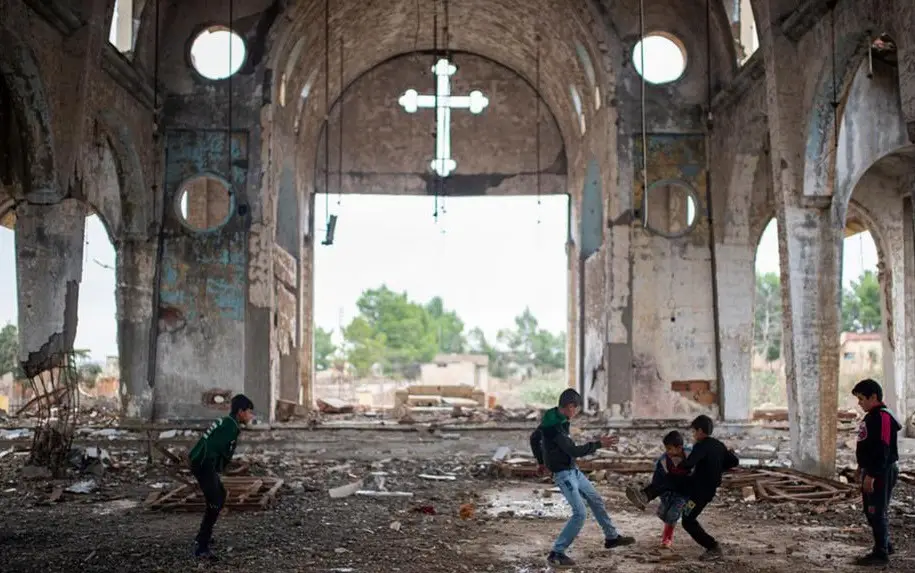
The mass displacement of Armenian Christians in 2023 was not an isolated event. It was a defining moment that continues to shape the realities on the ground today. More than one hundred thousand people were forced from their homes, leaving behind centuries-old churches, communities, and sacred heritage. The consequences of that exodus are ongoing. Families remain displaced. Communities remain uncertain. The wounds remain open. Any credible peace process must address these realities directly rather than assume that time alone will resolve them.
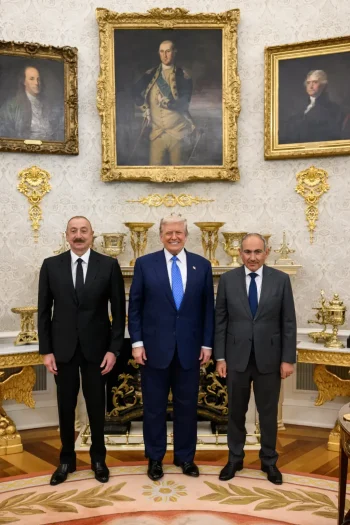
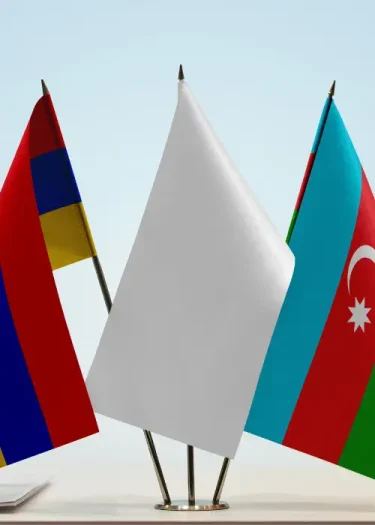
The meeting at the White House on August 8, 2025, between President Donald Trump, the President of Azerbaijan, and the Prime Minister of Armenia represents an important and constructive beginning. Direct engagement at the highest level can help build momentum and create space for diplomacy. This effort should be welcomed and encouraged. However, diplomacy alone is not enough. The moral ground of peace must be clear from the start. If the foundations are weak, the agreement will not endure.
Peace cannot endure unless it is built on moral foundations. The first of these is justice. Trust cannot grow while Armenian detainees remain in captivity. Their continued imprisonment sends a message that strength, rather than reconciliation, defines the process. A meaningful path forward must demonstrate that justice is not negotiable.
Peace must also provide genuine security. Communities cannot rebuild their lives if they live in fear of renewed pressure or instability. A future marked by confidence, stability, and mutual respect is essential for both peoples.
At its heart, this moment is also about religious freedom. Armenia is the world’s first Christian nation, and the protection of faith, conscience, and identity must be central to any lasting agreement. When religious freedom is secured, societies become more resilient and peace becomes more durable.
The safeguarding of Christian heritage is equally critical. Churches, monasteries, and sacred sites are not symbols of the past. They are living witnesses of faith and continuity. Their preservation must be visible, verifiable, and protected for future generations.
The dignity of those displaced in 2023 must not be forgotten. Healing requires more than humanitarian aid. It requires long term pathways for recovery, resilience, and the restoration of hope.
Finally, peace must be balanced and credible. Agreements that appear one sided or imposed will not lead to reconciliation. They will deepen mistrust and plant the seeds of future conflict. Genuine peace requires humility, fairness, and a shared commitment to the future.
If Christian leaders remain silent at this moment, a critical moral voice will be absent from the process. Silence will not be neutral. It will be interpreted as indifference. It will signal that religious freedom and the preservation of Christian heritage are secondary concerns. History teaches us that when faith communities disengage, the foundations of peace become fragile.
Christian leaders have a unique role to play. They can elevate the conversation beyond geopolitics. They can remind policymakers and the international community that peace must protect people, not simply territory. They can advocate for religious freedom, cultural preservation, and the dignity of vulnerable communities. They can help prepare societies for reconciliation by speaking about forgiveness, coexistence, and shared humanity.
This engagement must be both prayerful and practical. It should include public advocacy, relationship building, and sustained attention to the region. Churches and Christian organizations can convene dialogues, support humanitarian and rebuilding efforts, and partner with Armenian leaders committed to renewal and stability.
Most importantly, Christian leaders must speak with a collective voice. A fragmented response will not carry the moral weight this moment demands. A unified global Christian witness can shape public awareness, influence policy, and strengthen the conditions for durable peace.
The stakes are not only regional. They are global. Armenia sits at the intersection of civilizations, faith traditions, and strategic interests. Its stability matters for religious freedom, regional security, and the credibility of international commitments.
Why Christian leaders must engage Armenia now is ultimately a question of faithfulness. It is about whether we will stand with those who suffer, defend what is sacred, and speak when it matters most. Our silence will speak loudly. But so will our courage.
Now is the time for Christian leaders to act with clarity and conviction. This requires specific and coordinated engagement with the United States government. Pastors, denominational leaders, and Christian institutions should begin by contacting their members of Congress and requesting meetings to raise the urgency of this moment. They should urge congressional offices to prioritize the protection of Armenian Christian heritage, the release of detainees, and the integration of religious freedom into every stage of diplomacy.
Christian leaders should also write directly to the White House, the National Security Council, and the State Department to call for sustained American leadership that is rooted in justice, religious freedom, and long term stability. Churches and networks should issue public statements, organize prayer gatherings, and mobilize their congregations to communicate respectfully and persistently with policymakers.
Faith based organizations can coordinate advocacy days in Washington, partner with international religious freedom coalitions, and support initiatives that strengthen Armenia’s resilience and security. Christian universities, seminaries, and ministry networks can educate the next generation about Armenia’s history and the importance of defending religious freedom in a changing world.
This is not a time for passive concern. It is a time for visible and unified leadership. When Christian leaders speak with one voice, policymakers listen. When the Church stands together, it can shape the moral framework of peace.
The future of Armenia and the moral foundation of stability in the region will be influenced by whether the global Christian community rises to this moment. Now is the time to pray with urgency, to advocate with wisdom, and to stand with courage.
- Dr Paul Murray
About Save Armenia
Save Armenia is a nonprofit organization mobilizing faith leaders, policymakers, and global partners to support Armenia’s security, sovereignty, and religious freedom. Through advocacy, leadership engagement, and strategic initiatives such as the Save Armenia Peace Indicator and the Build Armenia implementation platform, the organization works to strengthen Armenia’s long-term resilience and stability while mobilizing American Christian and policy communities to support Armenia amid ongoing regional challenges.
Media Contact
Eleanor Forshaw
Deputy Director
Save Armenia
eforshaw@savearmenia.us